Creating a relaxing home workspace is essential for anyone who works remotely or spends significant time at their desk. A calm and well-organized environment can boost productivity, reduce stress, and make your workday more enjoyable. If you’re looking to improve your home office setup, here are some practical tips to help you design a space that supports both relaxation and efficiency.
Why a Relaxing Workspace Matters
When your workspace feels cluttered or stressful, it can be hard to focus and maintain motivation. On the other hand, a soothing environment helps you stay calm and energized. This balance is important for preventing burnout and ensuring consistent productivity.
Choose the Right Location
Find Natural Light
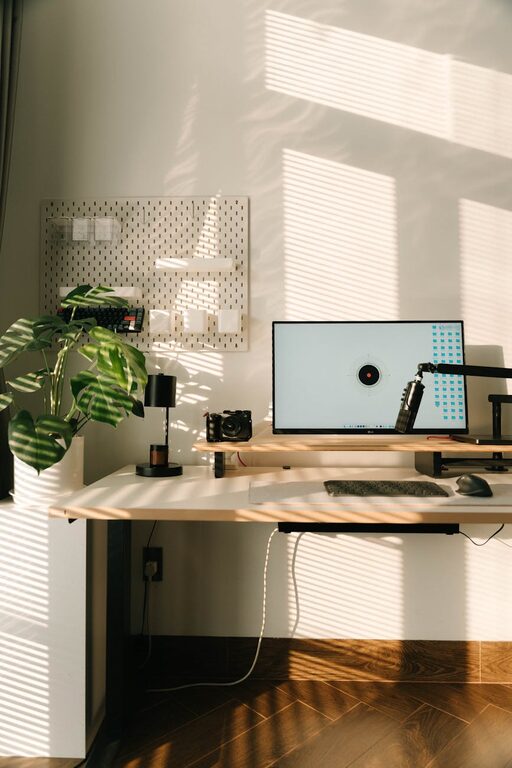
Try to set up your workspace near a window where you can get plenty of natural light. Sunlight helps regulate your sleep-wake cycle and can lift your mood. Position your desk so you avoid glare on your computer screen but can still enjoy the view and daylight.
Consider Quietness and Privacy
Pick a spot in your home that is relatively quiet and free from distractions. If possible, separate your work area from busy or noisy parts of your home. This will help you focus and create a clear boundary between work and relaxation.
Invest in Comfortable and Functional Furniture
Ergonomic Chair and Desk
Comfort is key to staying productive. Invest in an ergonomic chair that supports your back and encourages good posture. Your desk should be at a height that allows your arms to rest comfortably while typing. Adjustable furniture is a great option if multiple people use the space.
Keep It Organized
Use shelves, drawers, and organizers to keep your work materials neatly stored. A tidy workspace reduces stress and makes it easier to find what you need.
Personalize Your Space
Use Soothing Colors
Colors influence mood, so choose calming tones like soft blues, greens, or neutrals for your walls or decor. These shades can create a peaceful atmosphere that helps lower anxiety and increase concentration.
Add Plants
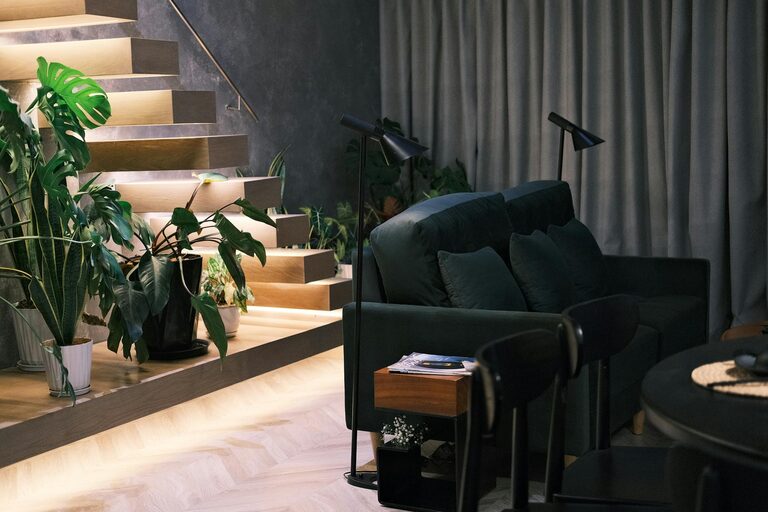
Indoor plants are a great way to bring life and freshness to your workspace. They improve air quality and add a touch of nature, which has been shown to reduce stress and improve focus.
Display Meaningful Items
Include some personal or inspirational items, like photos, artwork, or motivational quotes. These can make your space feel welcoming and encourage positive feelings while working.
Minimize Distractions
Cable Management
Keep cables and cords organized and out of sight to prevent a tangled mess. This small change can make your desk look cleaner and reduce visual distractions.
Control Noise
If your workspace isn’t naturally quiet, consider noise-canceling headphones, white noise machines, or soft background music to enhance concentration.
Create a Routine and Boundaries
Set Specific Work Hours
Having set work hours helps you mentally switch between work mode and relaxation mode. When you’re done for the day, close your laptop and step away from your workspace if possible.
Take Breaks
Breaks are important to rest your mind and move your body. Schedule short breaks every hour to stretch or take a quick walk. This can help prevent fatigue and maintain productivity.
Use Natural Scents to Promote Calm
Scents like lavender, peppermint, or eucalyptus can create a soothing atmosphere. Use essential oils or scented candles safely to add a subtle, calming fragrance to your workspace.
Keep Technology Organized and Updated
Make sure your computer, software, and other tools run smoothly to avoid frustration. Regular maintenance combined with setting up shortcuts or productivity apps can help you stay on track.
Lighting Tips for Comfort and Focus
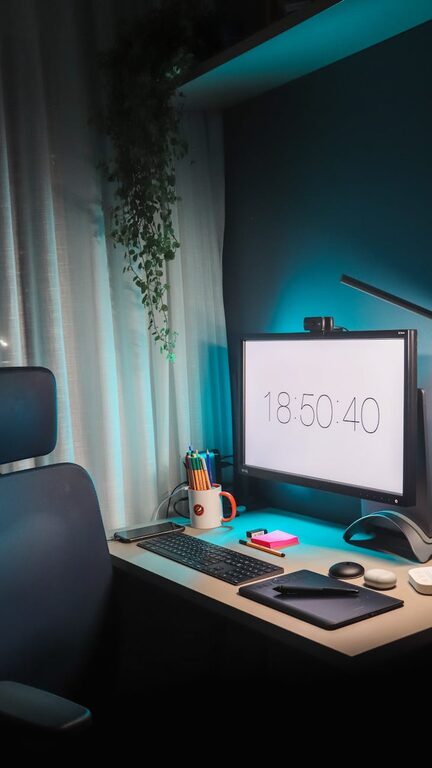
In addition to natural light, use adjustable lighting for evening work. Warm, soft lights reduce eye strain and create a cozy environment. Avoid harsh overhead lighting that can cause headaches.
Final Thoughts
Designing a relaxing home workspace is about balancing comfort, functionality, and personal touches. By following these tips, you can create a space that encourages productivity while keeping stress low. Remember, your workspace should support your well-being as much as your work, creating an environment where you can thrive every day.