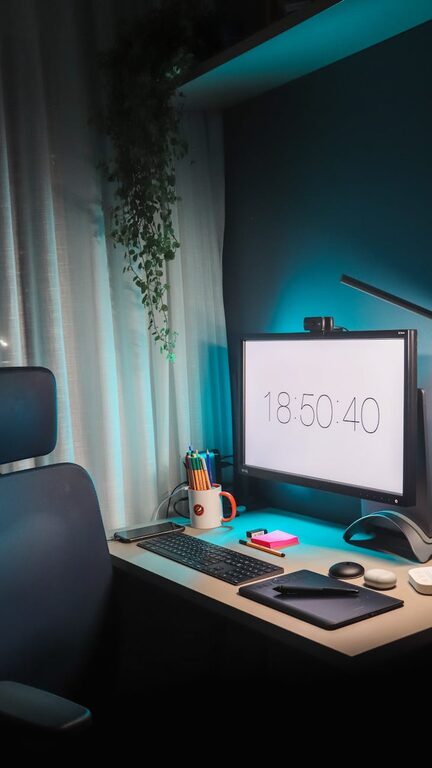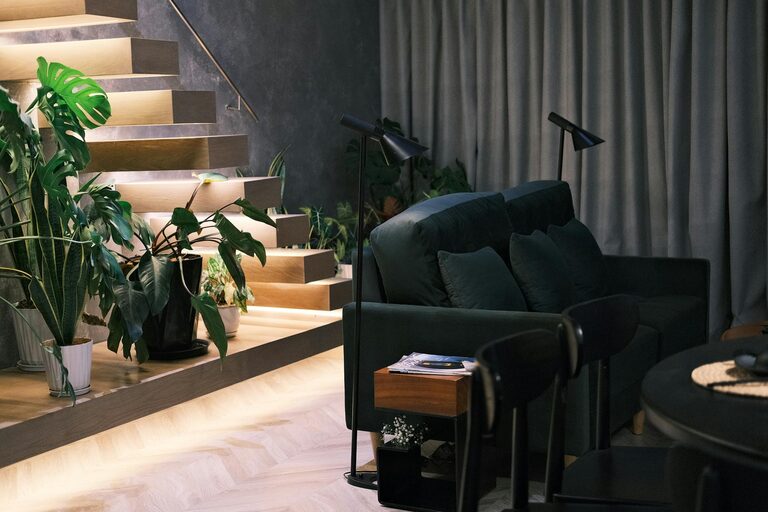
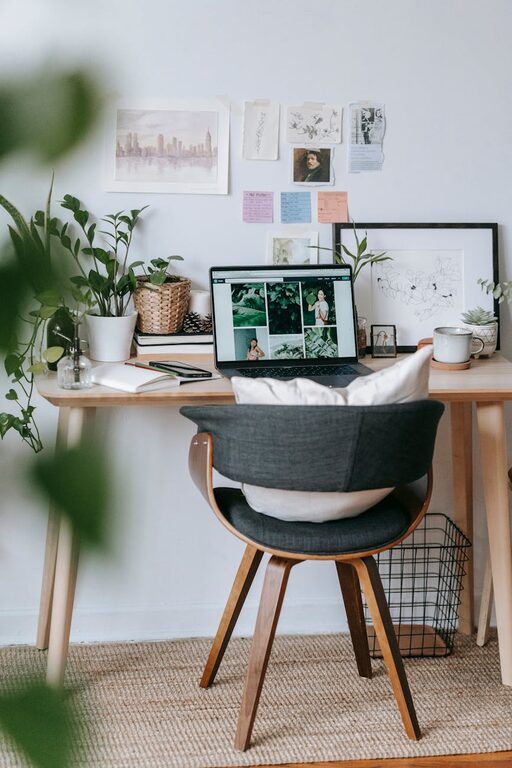
Creating a home office that is both cozy and functional can significantly improve your work experience and productivity. Whether you are working from home full-time or occasionally, designing a space that feels inviting and supports your tasks is essential. Here are some helpful tips to create a home office that balances comfort and functionality.
Choose the Right Location
Selecting the ideal spot for your home office is the first step. Ideally, pick a quiet area with minimal distractions. If possible, choose a space with natural light, such as near a window, which can improve mood and reduce eye strain.
Consider These Location Tips:
– Avoid high-traffic areas to minimize interruptions.
– Use a spare room, corner of a living room, or even a section of your bedroom.
– Ensure there is access to electrical outlets for your devices.
Invest in Comfortable and Ergonomic Furniture
Your furniture plays a big role in how comfortable and productive you feel throughout the day.
Essentials for a Functional Setup:
– Ergonomic chair: Choose one with good lumbar support and adjustable features.
– Desk: Opt for a desk size that fits your work needs without feeling cramped.
– Adjustable furniture: Standing desks or desks with adjustable heights can offer flexibility.
Optimize Lighting
Proper lighting helps reduce eye strain and keeps your energy levels up.
– Use a combination of natural light and task lighting.
– Desk lamps with adjustable brightness are great for late-night work.
– Avoid harsh overhead lights that cause glare on screens.
Organize Your Workspace Efficiently
A clutter-free workspace helps keep your mind clear and focused.
Organization Tips:
– Use shelves, drawers, or filing cabinets to store documents and supplies.
– Invest in organizers like pen holders, cable management tools, and storage boxes.
– Keep only daily essentials on your desk to reduce distractions.
Incorporate Personal and Cozy Touches
Adding elements that make your home office feel cozy can increase your comfort and motivation.
– Use soft textiles like a throw blanket or a cushion on your chair.
– Add plants for greenery and improved air quality.
– Display photos, artwork, or inspirational quotes that uplift you.
– Use warm colors or soothing shades for walls and accessories.
Ensure Proper Technology Setup
A functional home office depends heavily on reliable technology.
– Invest in a fast internet connection.
– Use a good quality monitor or laptop stand to maintain proper posture.
– Ensure you have the necessary peripherals such as keyboard, mouse, and headphones.
Manage Noise and Distractions
Creating a quiet environment helps you concentrate better.
– Use noise-canceling headphones if you can’t control background noise.
– Consider soundproofing options like rugs, curtains, or acoustic panels.
– Set boundaries with family members or housemates during work hours.
Set Up a Routine and Dedicated Work Hours
Even with a perfect workspace, staying productive requires discipline.
– Define your work hours and communicate them if needed.
– Take short breaks to stretch or move around.
– Keep your workspace for work only to mentally separate work and relaxation.
Keep It Flexible and Evolving
Your needs might change over time, so be adaptable.
– Rearrange your furniture if you find a layout that works better.
– Update your decor and supplies as needed.
– Regularly declutter and reassess the functionality of your setup.
—
Designing a cozy and functional home office is about balancing comfort with practicality. By carefully selecting your location, furniture, lighting, and organization methods, you can create a space that inspires you while supporting your work needs. Remember, your home office should be a place where you feel motivated, comfortable, and ready to tackle your day.