
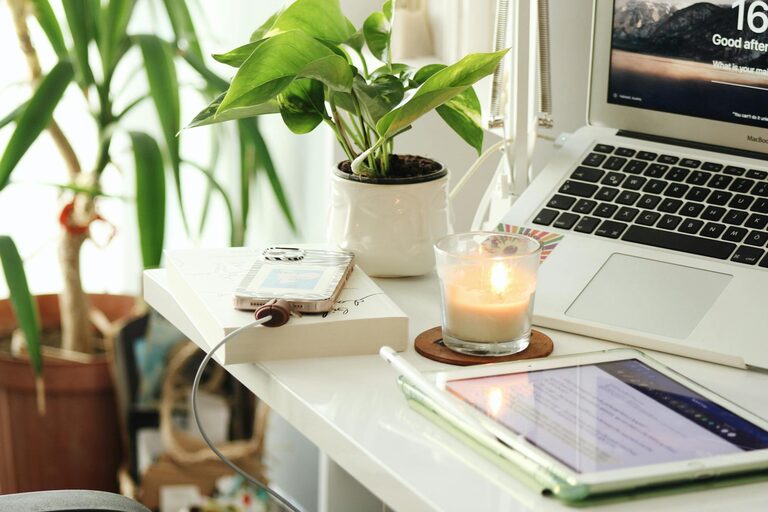
Creating a home workspace that feels cozy yet productive can make a big difference in how you work and feel throughout the day. Whether you work remotely full-time or occasionally need a quiet spot for tasks, your environment plays a key role in your focus and comfort. Below are helpful tips that combine style and function to help you build a workspace you’ll enjoy and that supports your best work.
1. Choose the Right Location
Consider Natural Light
Picking a spot with plenty of natural light is one of the simplest ways to boost mood and energy. Ideally, position your desk near a window to benefit from daylight. If natural light is limited, invest in good quality, adjustable lighting that mimics daylight.
Select a Low-Traffic Area
Try to find a quiet space away from noise and distractions. This could be a spare room, a corner in a bedroom, or a part of the living room that’s less busy. Minimizing interruptions helps improve concentration.
2. Invest in Ergonomic Furniture
Comfortable Chair
Since you’ll be sitting for long stretches, a supportive, ergonomic chair is essential. Look for one with adjustable height, good lumbar support, and comfortable cushioning.
Suitable Desk
Choose a desk that fits your space and meets your work needs, whether it’s for a laptop, desktop, or writing. A desk with enough surface area helps you keep supplies organized and accessible.
3. Organize with Purpose
Declutter Regularly
A cluttered workspace can lead to a cluttered mind. Keep only the essentials on your desk and store other items neatly away. Regularly tidying your space will allow you to focus better.
Use Storage Solutions
Incorporate shelves, drawers, or organizers to keep papers, electronics, and office supplies sorted. Label containers for quick access and to maintain order.
4. Add Cozy Elements
Soft Textures
Introduce plush cushions, a soft throw, or a cozy rug to add warmth and comfort to your workspace. These textures make the area inviting and can help reduce stress.
Personal Touches
Decorate your workspace with items that motivate or inspire you. This could be framed photos, artwork, plants, or a favorite mug. Personal items make the environment feel uniquely yours.
5. Maintain Good Lighting
Layered Lighting
Combine task lighting, ambient lighting, and perhaps accent lighting for the right balance. Use desk lamps with adjustable brightness for focused tasks and soft overhead lighting for general illumination.
Avoid Glare
Position your computer screen perpendicular to windows to reduce glare. You may also consider adjustable blinds or curtains to control sunlight during bright parts of the day.
6. Incorporate Plants
Bringing greenery into your workspace has multiple benefits. Plants improve air quality, reduce stress, and add a touch of nature that can nurture creativity. Choose low-maintenance plants like succulents or pothos if you’re new to plant care.
7. Set Up Technology Efficiently
Cable Management
Keep cables and cords organized with clips, sleeves, or cable boxes to avoid a tangled mess. A tidy desk surface helps you feel less distracted.
Essential Gadgets
Ensure you have reliable internet, charging stations, and any devices necessary for your work. Keeping tech in good working order boosts efficiency and reduces frustration.
8. Create Boundaries Between Work and Rest
If your workspace is part of another room (like a living room or bedroom), clearly define your work area. Use a folding screen, bookshelf, or rug to visually separate the zone. When your workday ends, physically close your workspace or cover your desk to mentally shift away from work mode.
9. Prioritize Comfort and Health
Take Breaks and Move
Make space for short breaks and occasional stretches. Even a small corner for standing or doing light exercises can refresh your mind and body.
Keep Hydrated and Snack Ready
Keep a water bottle at your desk and have healthy snacks nearby. Staying hydrated and nourished helps maintain focus and energy throughout the day.
10. Keep Evolving Your Space
Your needs may change over time. Be open to rearranging furniture, trying new lighting, or adding new organizational tools. Regularly revisiting your workspace setup ensures it stays both cozy and productive as your work style evolves.
—
Designing a home workspace that is both welcoming and efficient can transform your daily routine. By focusing on comfort, organization, lighting, and personalization, you create an environment that supports your goals and wellbeing. Start small and make adjustments to find the perfect balance for you. With these tips, your home workspace can become a favorite place to work and create.